When it pertains to landscaping, couple of features can change the game rather like a well-constructed maintaining wall. Not only do these walls serve practical purposes-- like handling soil disintegration and managing water drainage-- but they can likewise boost the visual appeal of your outdoor area. Nevertheless, before you dive headfirst into your maintaining wall project, it's important to have a clear understanding of what you're entering into. That's where having the best concerns for your contractor comes in!
In this guide, we'll explore the Top 10 Questions to Ask Your Retaining Walls Builder Before Beginning a Project From materials and style options to warranties and upkeep, we'll cover all the bases so you can feel great in your investment.
Understanding Maintaining Walls: The Basics
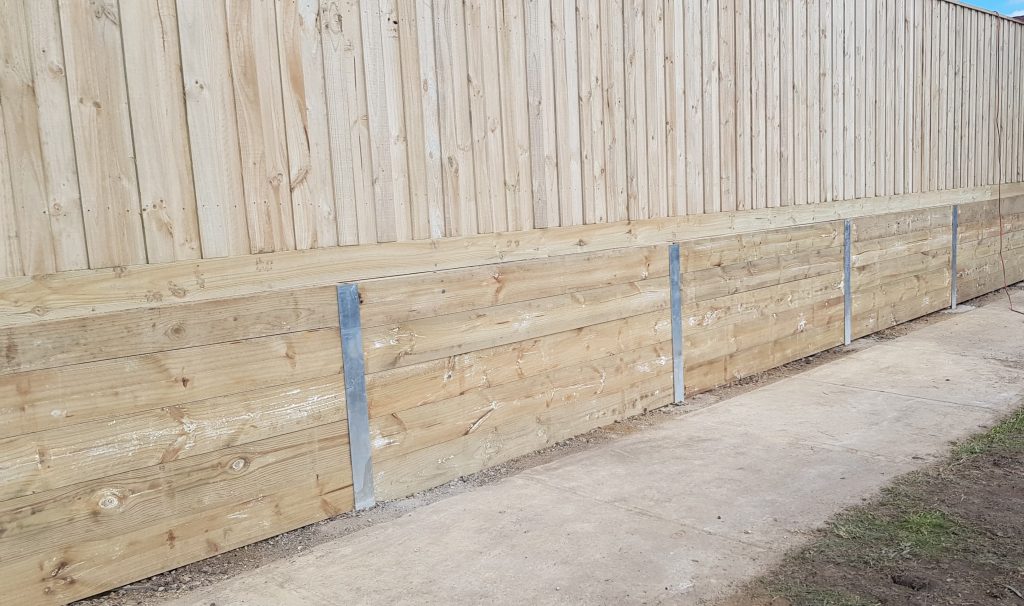
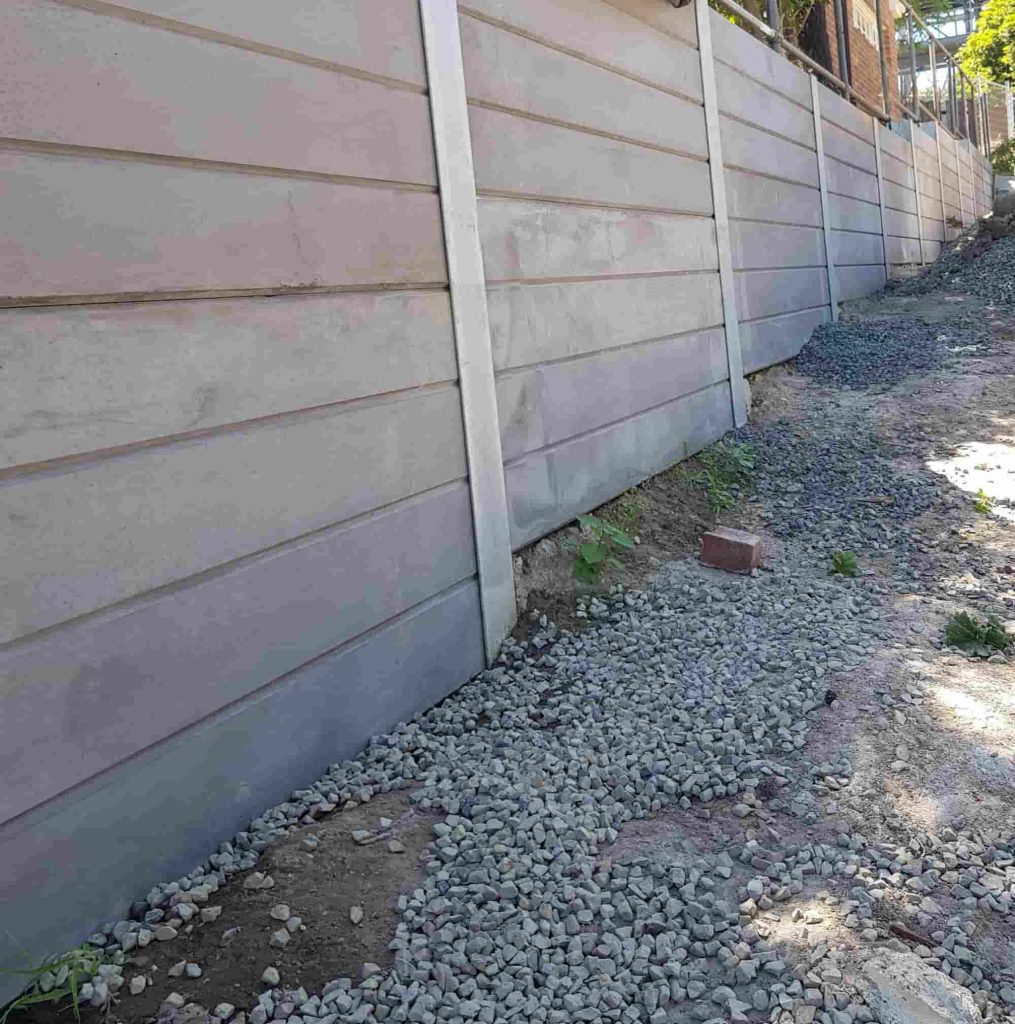
Before we delve into those all-important concerns, let's take a moment to understand what retaining walls are and why they're necessary. A keeping wall is developed to keep back soil and prevent disintegration on sloped terrains. They are available in different materials including concrete sleeper walls, timber sleeper walls, and wood sleeper variants.
Why Pick Retaining Walls?
- Erosion Control: Prevents soil from cleaning away. Water Management: Assists direct water flow. Aesthetic Appeal: Boosts landscape design. Increased Functional Space: Produces flat locations for gardens or patios.
Now that we've set the phase, let's jump into our primary topic!
1. What Type of Product Do You Advise for My Keeping Wall?
The material you pick for your https://connerprofessionalclle055.wpsuo.com/retaining-wall-setup-guaranteeing-longevity-and-safety keeping wall plays a substantial role in its sturdiness and aesthetic appeals. Here are some popular alternatives:
- Concrete Sleepers: Understood for their strength and long-lasting properties. Timber Sleepers: Offers a rustic appearance however may need more maintenance. Wood Sleepers: Can be used creatively but may not be as resilient as concrete.
What Ought to You Consider?
When asking this question, consider aspects like climate, function of the wall, and your budget plan. For instance, if you reside in an area with heavy rains, concrete sleepers might be more reliable due to their resistance to moisture.
2. How Will You Guarantee Correct Drainage?
Drainage is vital when building a retaining wall. Without proper drainage systems-- like weep holes or gravel backfill-- you run the risk of water buildup which can jeopardize the structure over time.
Why Is This Important?
Water accumulation can cause increased pressure on the wall which might trigger it to bow or even collapse. Always ensure your builder has a strong plan for managing drainage effectively.
3. What's the Approximated Life Expectancy of My Keeping Wall?
Different materials have various life-spans:
|Material|Estimated Life expectancy|| ------------------|-------------------|| Concrete Sleeper|50+ years|| Timber Sleeper|15-20 years|| Wood Sleeper|10-15 years|
What Should You Know?
While concrete uses durability, it's essential to know how environmental elements may affect its lifespan. Asking this concern gives you clearness on what to expect in regards to upkeep and replacement down the line.
4. Can You Offer Referrals from Previous Clients?
A trustworthy contractor should readily provide references or examples of previous work they've completed. Don't shy away from asking!
What Needs to You Look For?
When checking recommendations, ask about:
- Quality of work Timeliness Communication style
Past customers' experiences can be important in helping you evaluate whether this builder is best for your project.
5. What Is Consisted of in Your Guarantee or Guarantee?
Always inquire about service warranties! This guarantees you're covered need to any issues arise after installation.
Common Warranty Terms:
- Structural integrity Material defects Workmanship
Knowing what's covered-- and for how long-- will offer you comfort as you start your project.
6. How Will You Handle Landscaping After Installation?
After your retaining wall is constructed, what happens next? Will there be landscaping involved?
Considerations:
Ask if they provide services like planting plants around the wall or laying sod later. This might conserve you money and time while attaining that sleek appearance you're after!
7. What Are Your Payment Terms?
Understanding payment structures is essential before beginning any project.
What Should Be Clear?
Inquire about:
- Deposit amounts Payment milestones Final payment terms
Being in advance about finances will help avoid misconceptions later on!
8. For How Long Will the Project Take?
Timeframes can vary based on material choice and site conditions.
What To Anticipate:
Your contractor ought to provide an approximated timeline detailing each phase-- from preparation and permits through building completion.
9. Are There Regional Building Regulations I Need to Be Mindful Of?
Local guidelines can affect whatever from design choices to setup methods.
Why This Matters:
Failure to abide by local codes could lead to costly fines or even need dismantling work that does not comply! Make sure your home builder understands their things relating to local laws.
10. What Maintenance Will Be Required Post-Installation?
Every product needs some type of maintenance-- so don't skip this question!
Typical Upkeep Tasks:
Depending on your chosen product:
- Inspecting for cracks (specifically in concrete) Cleaning drainage systems Replacing decayed timber
Understanding continuous maintenance will help keep your maintaining wall looking excellent long-lasting!
Conclusion
Creating a beautiful outdoor space with a sturdy retaining wall doesn't have to be overwhelming if you're well-prepared with understanding! The Top 10 Questions to Ask Your Retaining Walls Builder Before Beginning a Project will arm you with insights essential for making notified decisions that align with your vision.
Remember-- the ideal concerns not only clarify expectations however likewise develop trust between you and your contractor! So go ahead; ask away!
FAQs
1. How deep must my keeping wall be buried?
The depth mainly depends on height; generally speaking, a minimum of one-third of the overall height must be buried underground for stability purposes.
2. Do I require a license for my maintaining wall project?
It differs by area-- some locations need authorizations while others don't; always inspect local policies first!
3. Can I develop my own retaining wall instead of working with someone?
Absolutely! Simply ensure you understand engineering concepts associated with drainage and weight distribution when designing it yourself.
4. What's much better-- wood or concrete sleepers for durability?
Concrete sleepers typically last longer than timber due generally due to their resistance against weather aspects like rot or bugs!
5. What occurs if my retaining wall starts leaning over time?
This frequently shows insufficient drainage or inappropriate setup; speak with professionals immediately if discovering substantial leaning issues!
** 6. How often should I inspect my keeping wall post-construction? Regular assessments at least as soon as every year (or after heavy storms) would be perfect; capturing early signs assists guarantee longevity!
Now that you've soaked up all this juicy details about building that best maintaining wall without breaking a sweat (or breaking bank), go forth equipped with questions that bring clarity! Pleased building!